What Does Radiation Therapy Do to Cancer? How Radiation Kills Cancer Cells
May 07, 2026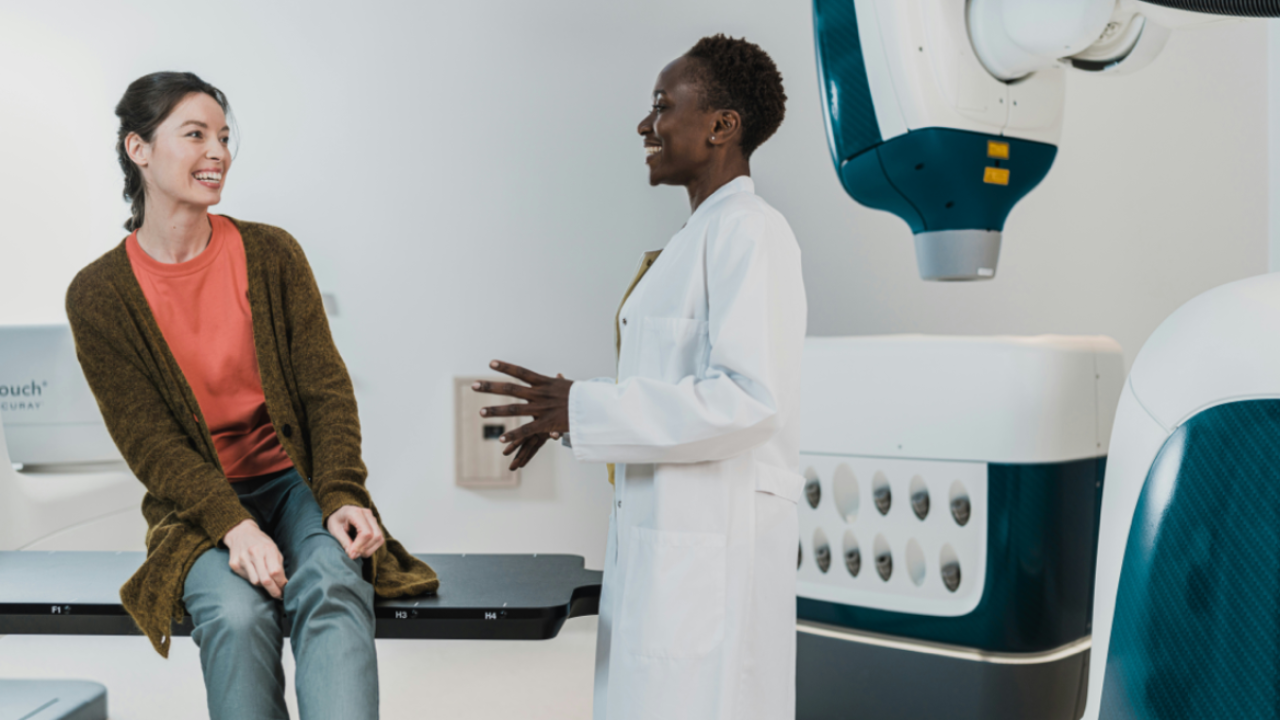
What Does Radiation Therapy Do to Cancer? How Radiation Kills Cancer Cells
Radiation therapy works by damaging the DNA of cancer cells so they can no longer grow and divide.
One of the most common questions patients ask when they are first learning about radiation therapy is:
What does radiation therapy actually do to cancer?
It’s an important question, and understanding the answer can make the treatment process feel much less mysterious.
Radiation therapy is designed to damage the DNA of cancer cells.
But how exactly does that happen, and why is radiation an effective cancer treatment?
Let’s talk about it.
How Radiation Therapy Damages Cancer Cells
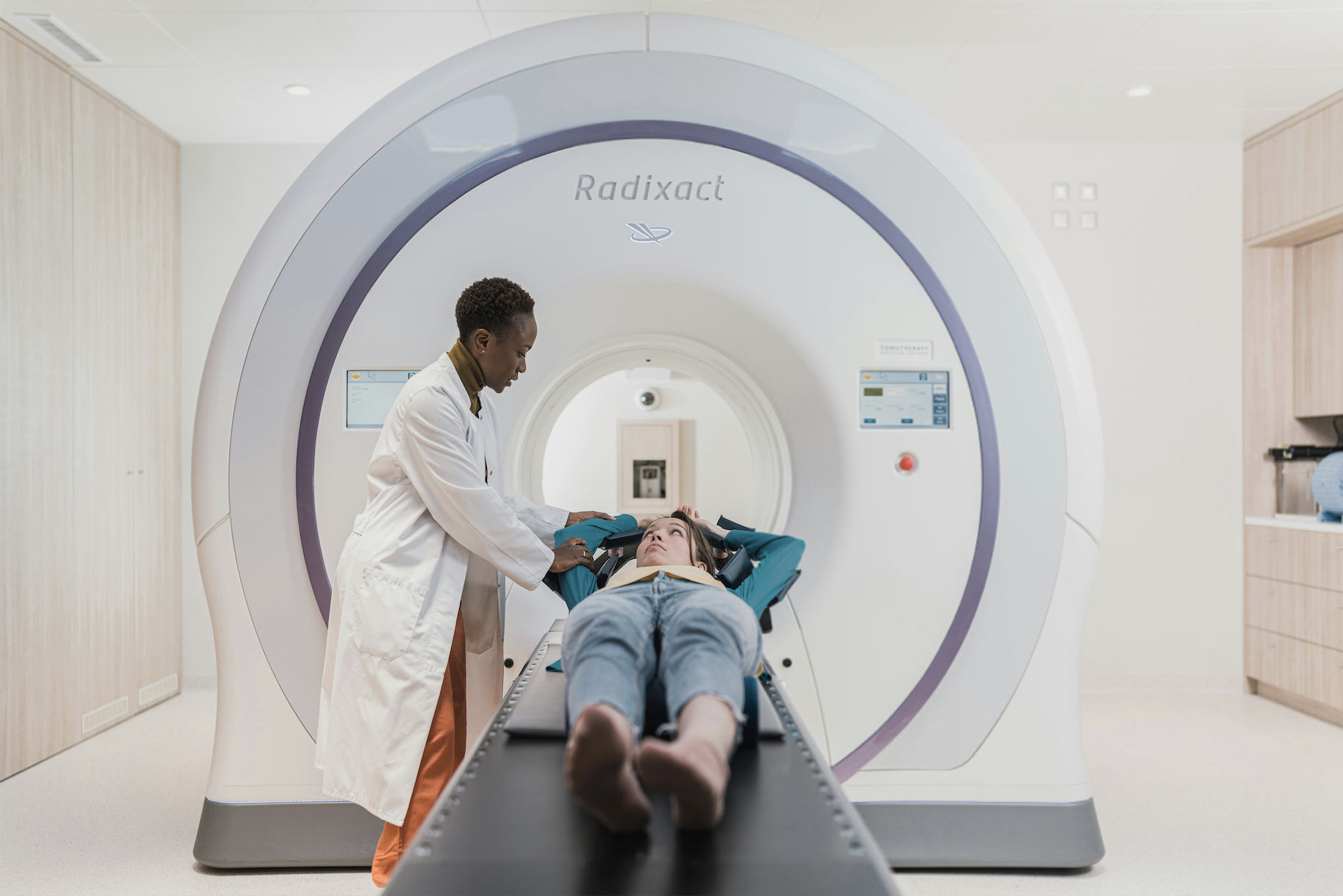
Radiation therapy uses carefully controlled, high‑energy radiation beams to target cancer cells.
These beams are directed precisely at the area where cancer is located in the body. The goal is to damage the DNA of the cancer cells.
When a very precisely calculated radiation beam enters your body, it damages the DNA of all of the cells in its path—the cancer cells and the small margin of healthy cells directly surrounding your tumor (I know that sounds intimidating—stay with me!).
Your healthy cells have the ability to repair and regenerate themselves through the body’s natural cell cycle process; however, the cancer cells do not have this ability. This effectively destroys the function of the cancer cells in the path of the radiation beam. That science is why radiation is an effective treatment for cancer!
Why Radiation Therapy Is Often Given in Multiple Treatments
The number of appropriate radiation therapy treatments can vary from patient to patient and depends on a number of factors. For most people, radiation therapy is given in multiple treatments over several weeks rather than all at once. Although sometimes a single treatment is entirely appropriate. Here’s why:
Palliative Treatment: Where the goal of treatment isn’t a cure, it’s symptom management (from pain, a tumor causing difficulty breathing, etc.). This type of treatment is often chosen for patients with late‑stage disease to help with comfort and pain management.
Curative Treatment: Where the goal is to cure the patient of their cancer. The number of treatments here can vary and will depend on the type of cancer, the patient’s goals for treatment, patient age, baseline health, etc.
What Happens to Cancer Cells After Radiation Therapy?
Cancer cells do not disappear immediately after radiation therapy.
Another question patients often ask is whether the cancer disappears immediately after treatment.
In most cases, the answer is no, not right away.
Radiation continues to affect cancer cells even though you’ve physically stopped coming in for radiation treatment. With external beam radiation therapy, this does not mean you’re radioactive! I’m referring to the fact that the effects of the radiation will still be working in your body for up to two weeks, and sometimes a bit longer. This, again, has to do with the natural cell cycle process, which generally takes about two weeks.
Over time, the body naturally breaks down and removes the damaged cells.
Once you finish radiation treatment, your doctors will typically monitor this progress with follow‑up imaging and appointments after treatment is complete.
How Modern Radiation Therapy Precisely Targets Tumors
Modern radiation therapy technology allows physicians to target tumors with remarkable accuracy.
Before treatment even begins, an entire team works together to design a treatment plan that is customized specifically for:
- Your body
- The exact location of the cancer
- The surrounding healthy tissues
Specialists such as radiation oncologists, medical physicists, dosimetrists, and radiation therapists collaborate to make sure the treatment is delivered safely and precisely.
If you’re curious about the different members of this team, I explain their roles in more detail in another post about the radiation oncology team.
A Quick Reflection
When patients first hear the word “radiation,” it can understandably sound intimidating. But at its core, radiation therapy is a very focused treatment designed to stop cancer cells from continuing to grow.
Many patients find it reassuring to understand that the treatment is not random or uncontrolled. It is carefully planned, precisely delivered, and constantly monitored by a team of specialists.
How Your Radiation Therapy Team Supports Your Treatment
If you ever find yourself wondering how radiation therapy works or what is happening during treatment, you should always feel comfortable asking your care team.
Radiation oncologists, nurses, and radiation therapists are there to help explain the process and answer any questions you have along the way.
Understanding what your treatment is doing is your right and can also help make the experience feel more manageable and less uncertain.
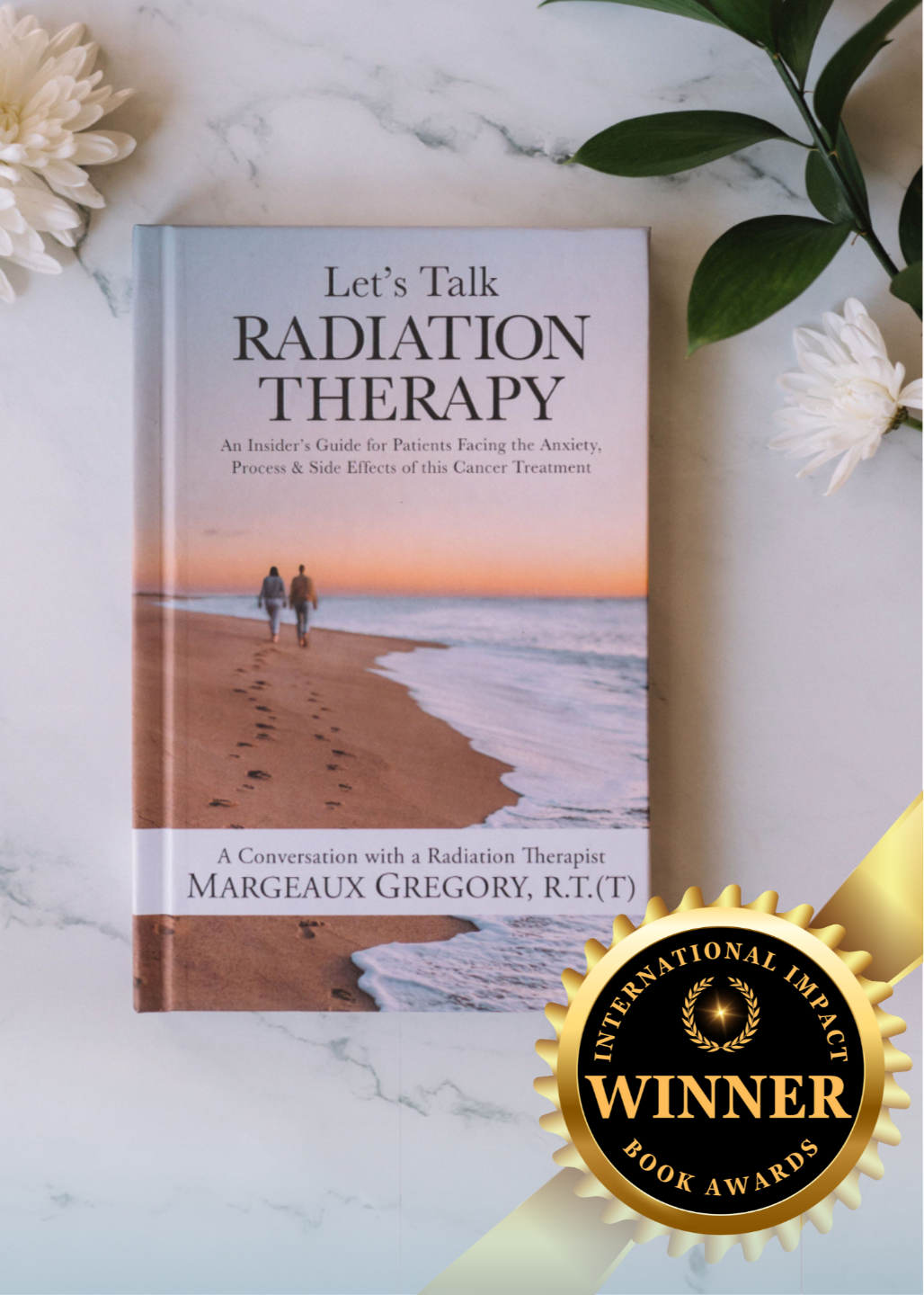
If you’d like a patient‑friendly walkthrough of the entire radiation therapy process—from consultation through daily treatments—I explore these topics in greater detail in my book Let’s Talk Radiation Therapy.

If you’d like to better understand the different professionals involved in your care, I introduce the radiation oncology team in another post on the blog here.
There is also a great deal of planning and verification happening behind the scenes before treatment ever begins. I explain those roles in this blog post!
For patients preparing for their first appointment, I also walk through what to expect during a radiation oncology consultation right here.
Radiation therapy is a collaborative effort between many different specialists. I talk more about how this team works together in another post on the blog.

This Topic can be challenging.
Our conversation doesn’t have to be.
Buy Your Copy of Let’s Talk Radiation Therapy today.