The Radiation Therapy Team Working Behind the Scenes
Mar 26, 2026
When patients think about radiation therapy, they often picture the doctor delivering treatment.
But behind every radiation treatment is a team of highly trained professionals working carefully and precisely behind the scenes to make sure your treatment plan is safe, accurate, and personalized to you.
If you're interested in learning more about the members of the radiation oncology team you’ll interact with most often during treatment, I introduce those roles in another post right here!
A quick reflection: It’s easy to assume that the people you see in the treatment room are the only ones involved in your care. In reality, there is an entire team working carefully behind the scenes to make sure every detail of your treatment is planned with precision.
These team members may not always be the people you interact with every day—but their work is essential to your care.
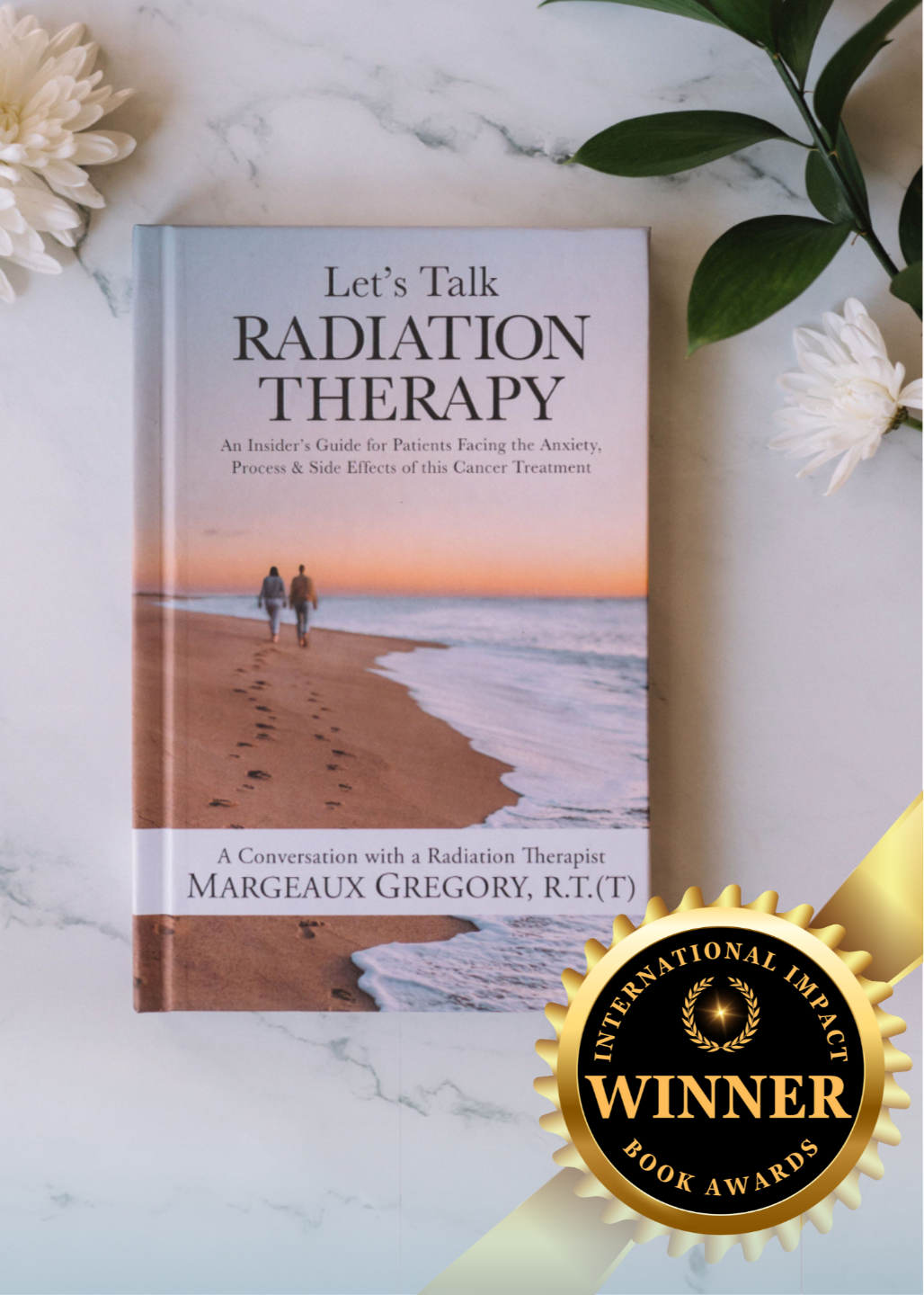
(If you’re interested in understanding how radiation therapy works step by step, I explain the full process in my book Let’s Talk Radiation Therapy.)
Medical Physicist
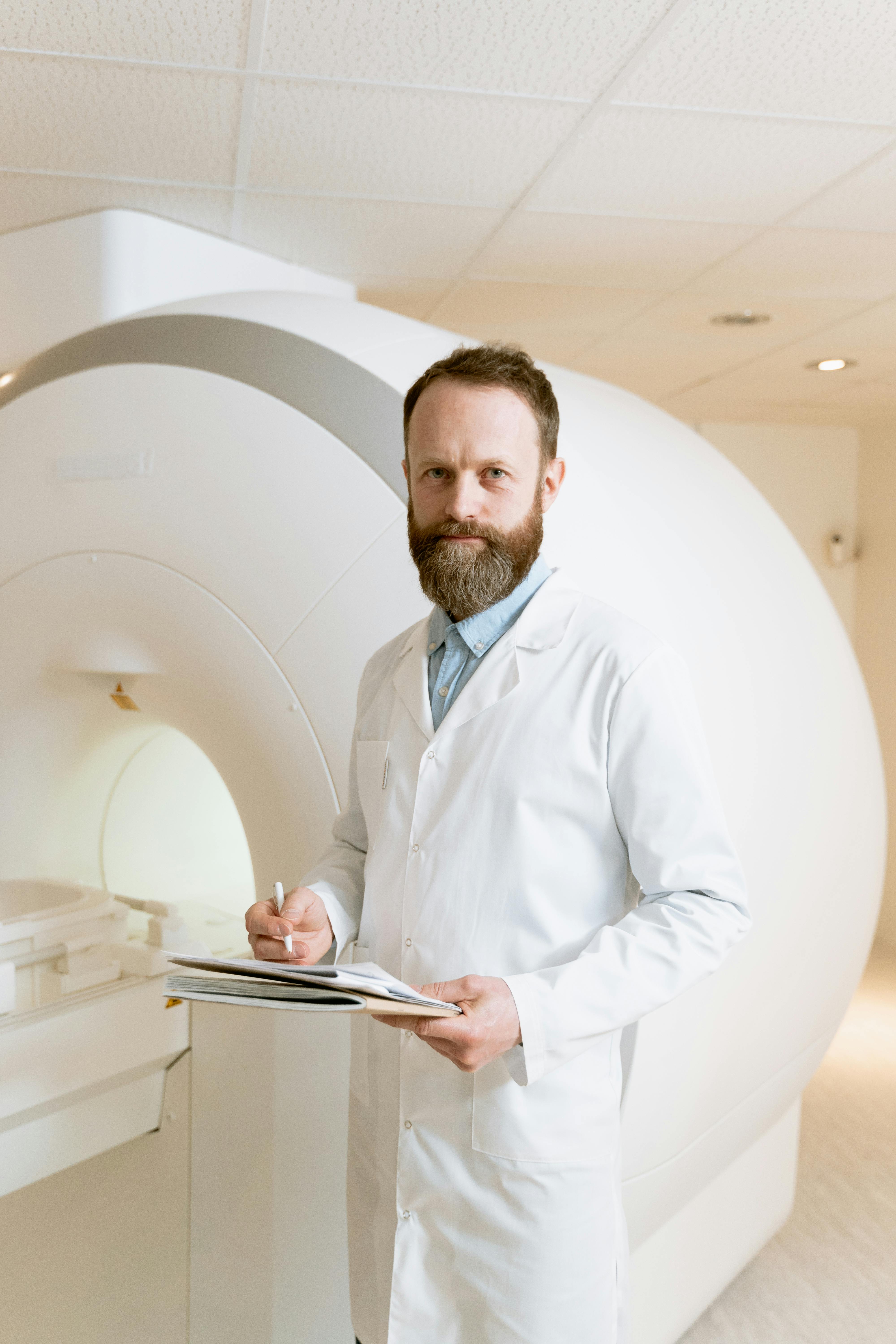
Medical physicists are board-certified professionals responsible for the maintenance, upkeep, and operation of radiation equipment, including:
The linear accelerator (the machine that delivers radiation treatments)
The CT simulator used for treatment planning
They also oversee radiation treatment planning and perform extensive quality assurance checks to make sure the equipment and treatment plans are functioning exactly as intended.
Their work helps ensure that every treatment is delivered safely and accurately.
Medical Dosimetrist
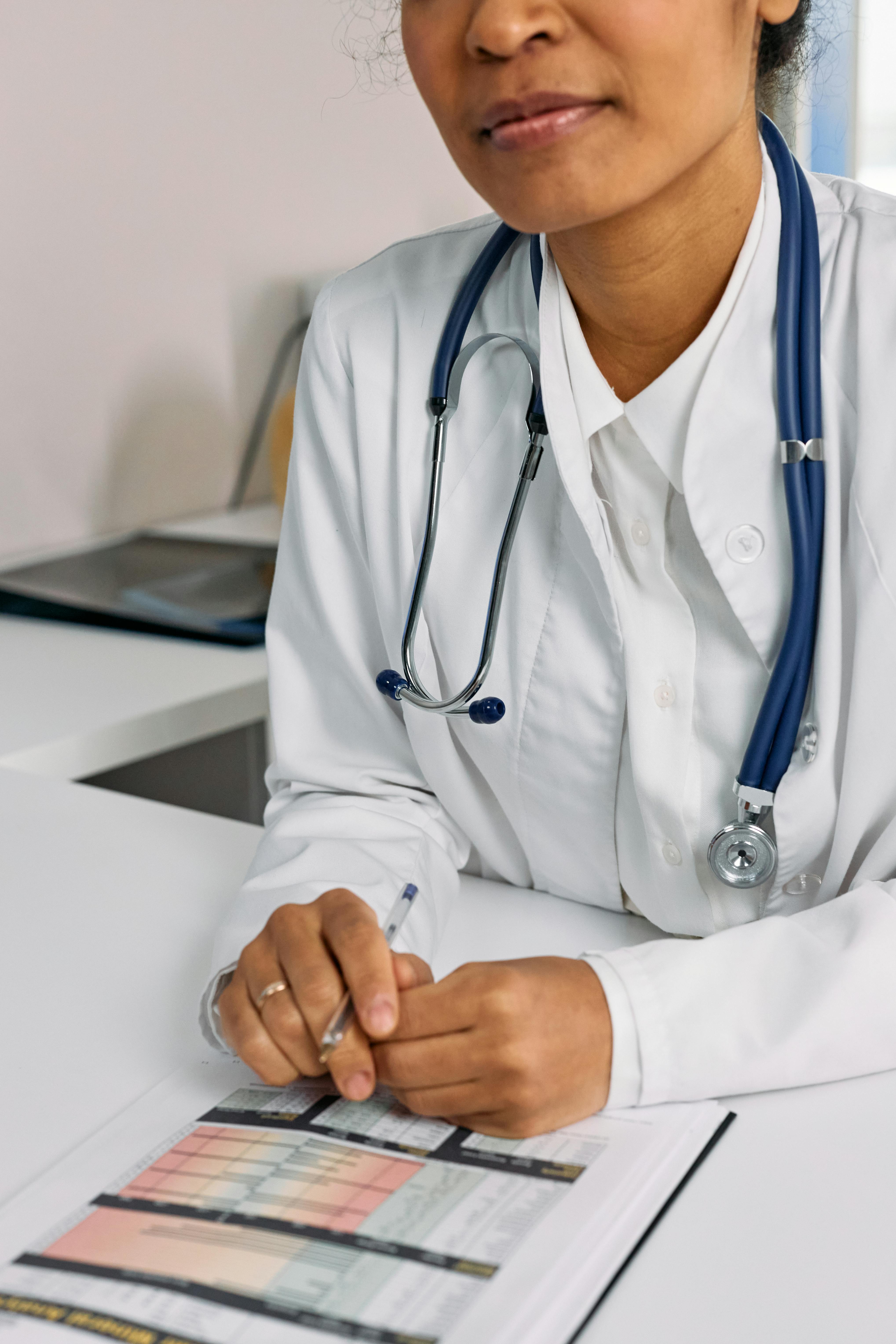
Medical dosimetrists are highly trained experts who understand how different body tissues tolerate radiation.
Using the directives from the radiation oncologist, they develop and design the optimal radiation treatment plan for you specifically.
This plan is customized based on:
Your body
Your cancer
The location of the tumor
Your physician’s treatment goals
Their job is to design a plan that targets the cancer effectively while protecting as much healthy tissue as possible.
Additional Support Resources During Radiation Therapy
Radiation therapy can involve more than just the medical treatment itself. Many departments offer additional resources that support patients physically, emotionally, and socially throughout the process.
Social Worker
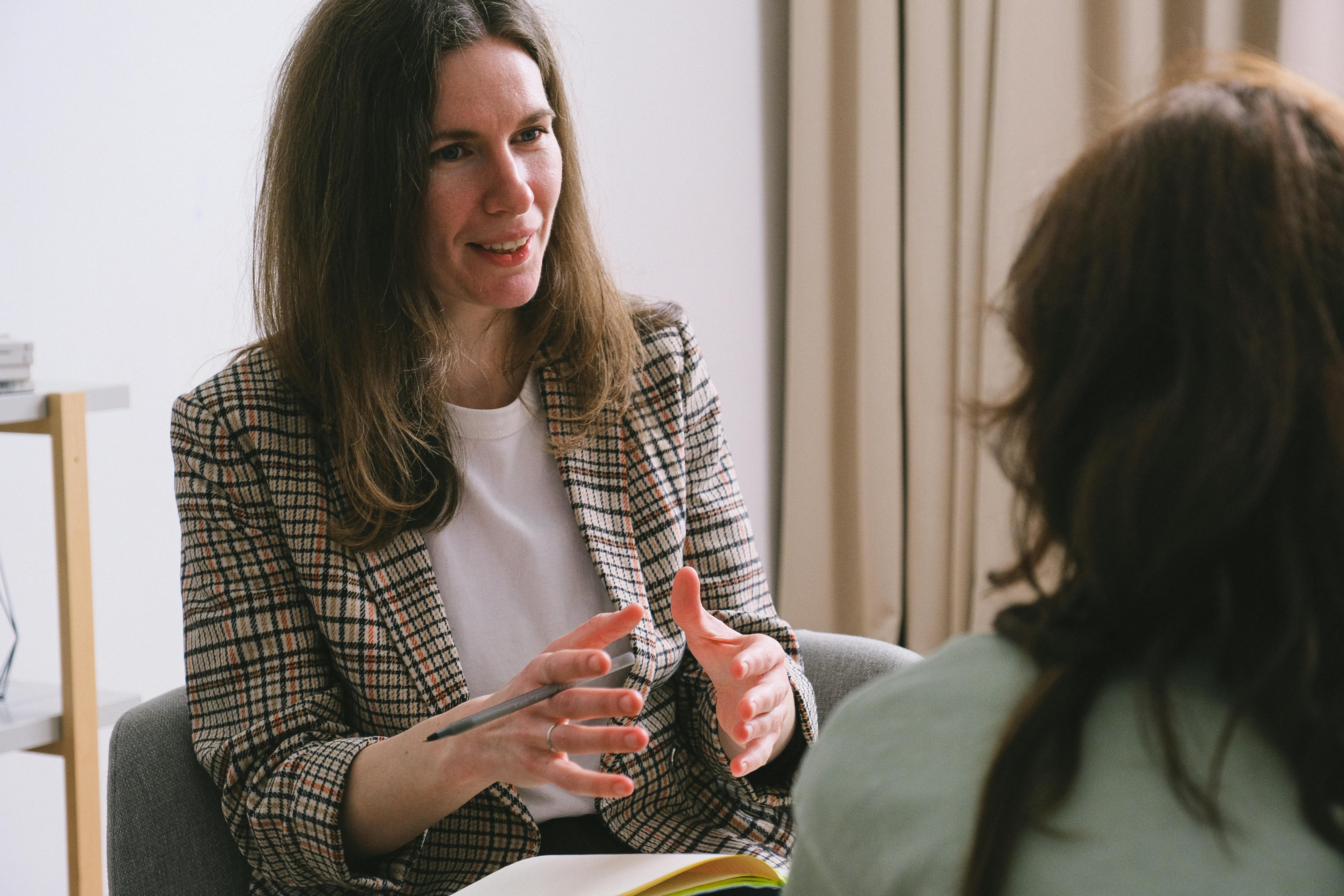
Social workers are incredible resources for emotional and social support.
You can meet with them on an as-needed basis if you want someone to talk to or simply someone who will listen.
They can also connect you with:
Patient support groups
Community resources
Additional services that may help during treatment
Support Groups

Finding people who are facing the same health challenges as you can provide a surprising amount of support while you’re going through treatment, and even after treatment is complete.
Being with people who understand what you’re experiencing can sometimes be more encouraging and comforting than you might initially expect.
Some patients find support through:
Online communities with people who share a similar diagnosis
Support groups run through their radiation oncology department
It’s entirely up to you what type of support you prefer, but having a trusted outlet for conversation can be very helpful for emotional healing.
Nutritionist

Nutritionists are a wonderful resource for any dietary questions, struggles, or concerns you might have during treatment.
They can often meet with you right in the radiation oncology department.
If you are experiencing:
Difficulty eating
Changes in appetite
Weight loss
Your oncologist may recommend meeting with a nutritionist for additional guidance and support.
Researchers
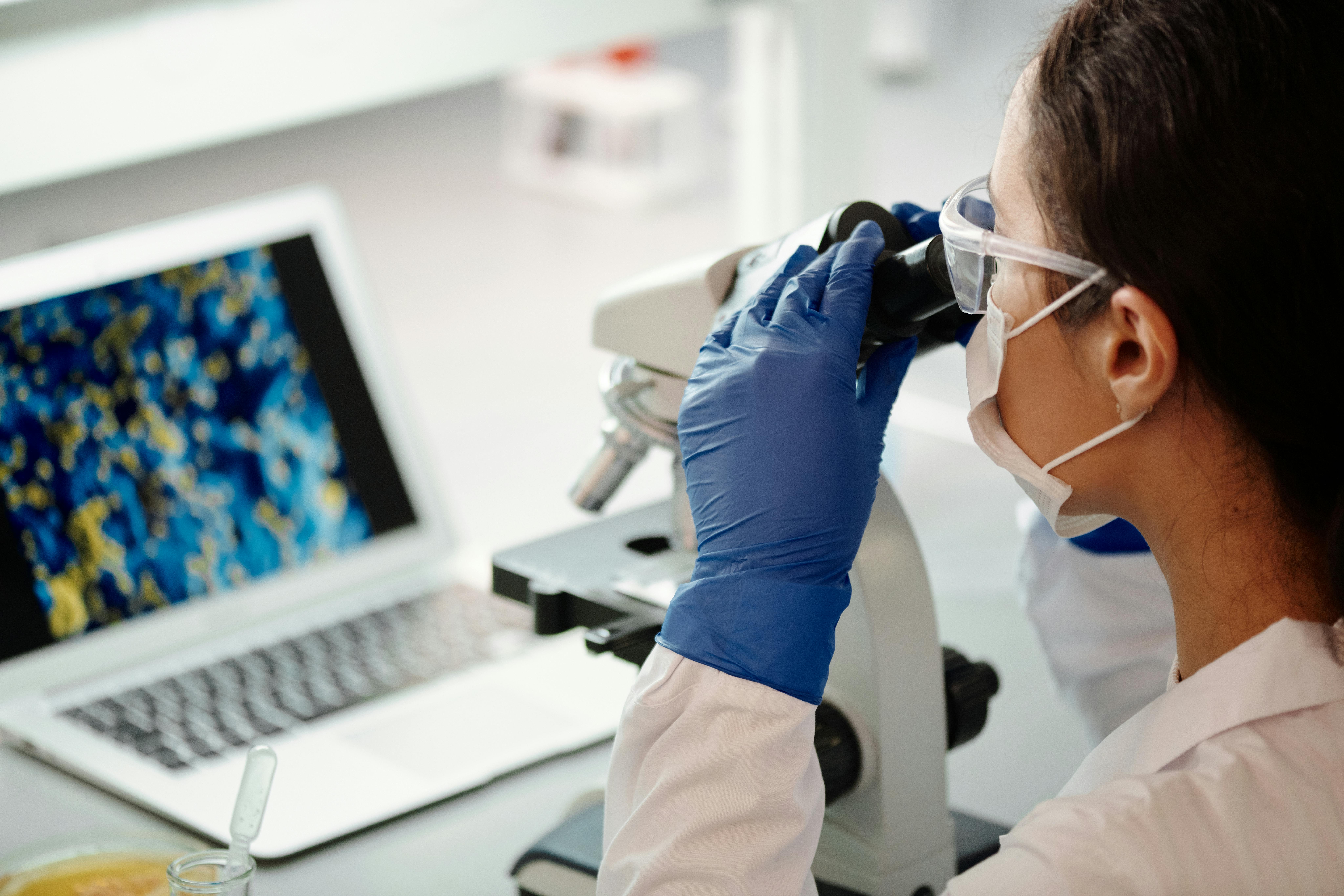
Depending on the department where you receive care, you may be offered the opportunity to participate in cancer research.
Participation is always completely optional.
Sometimes this could involve:
Interviews
Blood work
Questionnaires
Follow-up visits
A Personal Story
My father was diagnosed with prostate cancer a few years back. Luckily, his cancer was caught very early.
He agreed to participate in a research study that included one meeting to discuss his medical and life history.
Afterward he told me:
“You know, Margs, I was really surprised at the dedication to the minutiae that goes on behind the scenes. They explained to me what the goal of the research was and how they would use the information. They said the information would help contribute to research and move the collective forward as a cancer community.”
Participation in research isn’t for everyone, but if you’re curious about your body and don’t mind sharing information with researchers, you might find it rewarding and impactful to learn from the experts.
Understanding how the radiation oncology team works together behind the scenes can give you a better appreciation for the level of care and precision involved in radiation therapy treatment.
Another quick reflection: Many patients tell me they didn’t realize how much planning and expertise goes into each treatment until someone explains it to them. Once you understand the teamwork involved, it can make the process feel much more reassuring.
If you’re wondering what the first appointment with a radiation oncologist typically looks like, I walk through what happens during that consultation in another post on the blog.

This Topic can be challenging.
Our conversation doesn’t have to be.
Buy Your Copy of Let’s Talk Radiation Therapy today.