What Is a CT Simulation in Radiation Therapy? What to Expect During Your Planning Scan
May 27, 2026
What Is a CT Simulation in Radiation Therapy? What to Expect During Your Planning Scan
If you decide to move forward with radiation therapy, one of the first appointments you will be scheduled for is something called a CT simulation.
You might also hear it referred to as:
- a CT sim
- a planning scan
- or a “mapping” appointment
This appointment plays a very important role in your treatment.
For some patients, this can also be a moment when everything can start to feel very real.
A quick reflection: It is not uncommon for an emotional wave to hit around this point in the process. You’ve gone from hearing about treatment to physically preparing for it. Even patients who feel steady after diagnosis can feel a shift here.
Let’s walk through what this appointment actually is and why it matters.
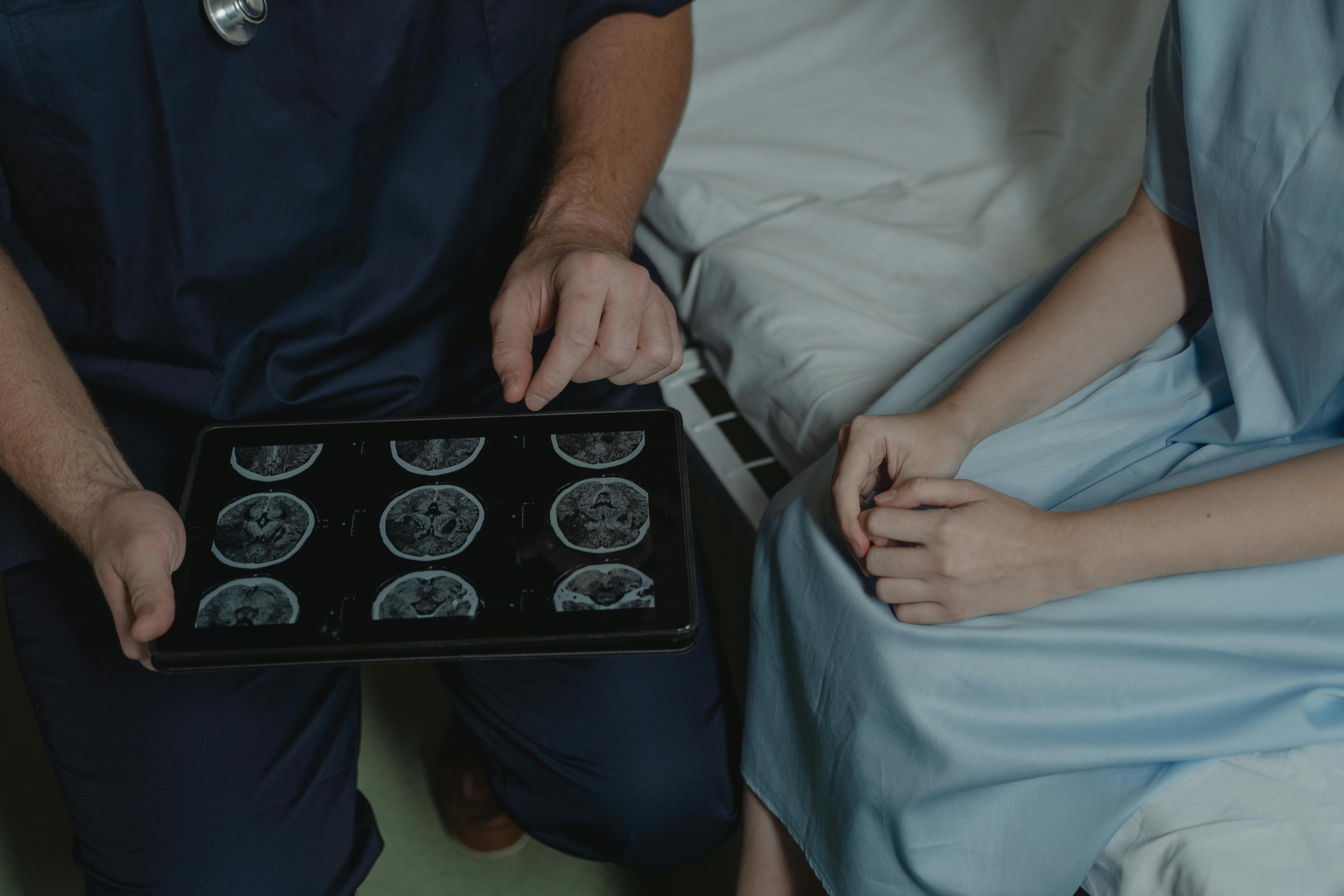
What Is the Purpose of a CT Simulation?
A CT simulation is performed for the purpose of planning out your personalized, custom radiation treatment in extensive detail.
The goal of this appointment is to create a three dimensional picture of your body in the exact position you will be in for your radiation treatments.
This allows your team to:
- Identify the exact area that will be treated
- Understand what anatomy directly surrounds the area to be treated
- Use the images from this scan to design a highly detailed and personalized radiation treatment plan for you specifically
This scan is not used to diagnose cancer, but rather to answer a different question:
What is the safest and most precise way to deliver radiation to this specific area of your body?
How Is This Different From a Diagnostic CT Scan?
Many patients have already had CT scans before arriving at this point in their treatment, so this can naturally cause confusion about why you would need another CT scan. Allow me to explain.
CT Scans performed previous to Radiation Oncology consultation are typically diagnostic CT scans, which are used to:
- Detect cancer
- Understand where in the body cancer is located
- Help guide diagnosis
The most important difference between these two scans is this:
Your body position during the CT simulation scan matters just as much as the image itself.
During a CT simulation, your team is not just looking to acquire a three dimensional picture in the exact body position for treatment, they are also determining:
- exactly how your body will be positioned for optimal treatment delivery
- how that position can be reproduced every day (a critically important factor for accurate radiation treatment day to day)
- how treatment can be delivered to the intended area while also minimizing radiation to the areas we do not want to include in treatment
Why This Appointment Matters More Than You Might Expect
This appointment sets the foundation for everything that comes next.
Every radiation treatment you receive is based on:
- the images acquired during this scan
- the position of your body for CT simulation
- the treatment plan developed from this exact setup and set of images
That is why your team takes their time during this appointment. It may feel slow or very detailed, and that is intentional.
The goal is to design a radiation treatment that is:
- accurate
- reproducible
- safe
What This Means for You as a Patient
From a patient perspective, this appointment is the beginning of the active treatment process.
It is where:
- planning becomes tangible
- positioning is imperative
- and treatment can start to feel real
Another reflection: It is not uncommon for this point to be where patients begin to feel a shift emotionally. You are not just talking about treatment anymore, you are actively participating in its design. If you notice feelings of anxiety, vulnerability, or uncertainty starting to surface around this appointment, you are not alone in that experience.
Education Reduces Fear
One of the most helpful things you can do at this stage is understand what is happening and why.
When you know:
- what this appointment is for
- what your team is doing and why it is to your benefit
- how it fits into your overall radiation treatment plan design
The process can become much less intimidating if you allow your mindset to shift at this appointment from “this is happening to me” to “this is happening for me… this team is on top of this!”
Clear and compassionate education helps patients feel more grounded and less afraid, and that is exactly why I share this information.
If you are getting ready for this appointment, I walk through exactly how to prepare for your CT simulation in another post right here!
I also explain how your body is positioned during radiation therapy and why that part of the process is so important HERE.
You may also hear about small tattoos used during this appointment. I explain what those are and why they are used in this post here!
If you are wondering what happens after your CT simulation is complete, I walk through that process step by step in another post.

This Topic can be challenging.
Our conversation doesn’t have to be.
Buy Your Copy of Let’s Talk Radiation Therapy today.