The #1 One Thing You Should Know If You Have Cancer
Jan 29, 2026
Newly Diagnosed with Cancer? Let’s Start with What You Need to Know First
If you’ve recently been diagnosed with cancer, it may feel like time suddenly sped up while your ability to process information slowed down.
Appointments stack quickly. New terminology appears overnight. Well-meaning people offer advice, articles, and opinions, often before you’ve had a moment to catch your breath.
Let’s slow this down.
This post isn’t about doing everything at once. It’s about orienting yourself, understanding what matters first, and creating a steadier foundation for what comes next.
The Time Period After Diagnosis
The time immediately after a diagnosis can be one of the most emotionally intense parts of the cancer experience.
There is often an urgency to act: to schedule, to decide, to move forward, while emotionally you may still be absorbing the weight of what you’ve been told.
This disconnect is natural.
It’s okay if you don’t understand everything right away. You are allowed to take this one step at a time.
You Don’t Need to Learn Everything Today
Choosing “the best cancer treatment” is not a single decision; it’s a series of thoughtful steps.
Early on, the most important aspects are:
- Clarify your treatment goals: Are you seeking a cure, symptom management, or comfort only?
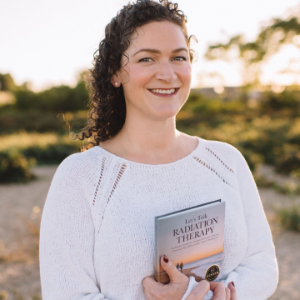
- Find experts you trust: Are they knowledgeable about your specific type of cancer? Do they listen to you and support your goals for treatment? Are they relieving your stress, or adding to it? It might be uncomfortable to hear what they have to say, but is it honest? Do you feel like they’ve given you a solid understanding so that you can make an informed decision about whether this treatment is right for you? For guidance on finding professionals you can trust, my book Let’s Talk Radiation Therapy provides more detail and explains why I feel this is so important.
- Understand your diagnosis with support from the experts: It is not your responsibility to fully understand the complexities of your cancer, or the nuances of choosing the most appropriate treatment. Lean on the knowledge of your experts who have studied cancer and its behavior for years, and ask them any question that you would type into an internet search bar. Familiarize yourself with your diagnosis if that’s helpful to you, and let your team of experts support you in choosing treatment you feel confident about.
Clarity comes in layers.
Understanding Your Care Team
Cancer care is collaborative. Depending on your diagnosis, your team may include one or more of the following:
- Medical oncologist: Delivers chemotherapy and systemic drug treatments.
- Radiation oncologist: Designs and determines the details of your radiation therapy treatment. This is also the physician I work for as a radiation therapist.
- Surgical oncologist: A surgeon who specializes in cancer surgeries.
Each role exists to support a specific part of your care.
If radiation therapy has been recommended, it is often part of a larger, coordinated plan, not a standalone decision.
Where Radiation Therapy Fits In
Radiation therapy is commonly used to:
- Treat cancer in a precisely targeted area
- Reduce the risk of recurrence, often after surgery, to eliminate any microscopic cancer cells that may remain
- Shrink tumors before surgery when removal could potentially be unsafe
- Alleviate symptoms or discomfort caused by tumors
Hearing that you may need radiation can be unsettling, especially if your understanding comes from outdated information or anecdotal experiences. Always consider the source of advice and try not to let someone else’s experience shape your expectations.
Education helps replace fear with familiarity, and that is something we will continue building together here.

How Loved Ones Can Support You Right Now
For caregivers and family members, the instinct is often to do something.
In the early days, some of the most meaningful support includes:
- Listening without trying to fix
- Writing down questions for medical visits
- Helping keep track of appointments
- Offering presence more than solutions
Sometimes the most supportive action is simply walking alongside someone as they find their footing.
What to Expect After Diagnosis
As you pursue treatment options, you will likely:
Meet different members of the oncology team and understand the specific treatments they provide
Learn from the experts to identify the treatment options that are best for you
Understand which treatments will not only be effective but also align with your personal goals, whether that is cure, symptom management, or health and lifestyle support
You do not need to figure all of this out today.
For now, it’s enough to know this: You are encouraged to ask questions until you understand. You are allowed to say “no” to treatment that does not align with your goals. You have every right to choose treatment you feel confident about. You do not have to navigate this alone.
This blog was created to support you through the process, one clear, grounded step at a time.
In Strength and Wellness,
Margeaux

This Topic can be challenging.
Our conversation doesn’t have to be.
Buy Your Copy of Let’s Talk Radiation Therapy today.