Understanding Your Treatment Options: Radiation, Surgery, Chemotherapy, and Other Drug Therapies
Feb 26, 2026
Cancer treatment today is more advanced, nuanced, and effective than ever before.
The variety of options can feel overwhelming at first, but it’s also empowering to know that your oncology team has a wide range of tools to create a treatment plan tailored specifically for you.
Even in my almost twenty years working in radiation oncology, I’ve watched the field evolve dramatically. New technologies, drug therapies, and combination approaches mean that what’s possible today may not have existed even a few years ago.
The goal of this post is to help you understand the different types of treatments, how they may work together, and how to approach your options with confidence.
Radiation Therapy: A Targeted Approach
Radiation therapy is a localized treatment that uses high, therapeutic doses of radiation to target and kill cancer cells. Unlike systemic treatments that affect the whole body, radiation is precise, focusing only on a specific area where the radiation oncologist decides.
Sometimes radiation is used on its own, and sometimes it is combined with other treatments. The approach depends on several factors: the size of the tumor, its location, and the type of cancer you have. Your oncology team will provide guidance to ensure you receive the most effective, safe, and personalized treatment.
Surgery: Removing or Reducing the Tumor
Surgery is also a localized treatment. For some patients, it may be the first step, and for others, it may come later.
The goal of surgery can be to completely remove the tumor, which in some cases might be the only treatment you need.
In situations where the tumor cannot be fully removed due to its location or proximity to critical structures, surgeons may perform a “debulking” procedure. This procedure will reduce the tumor size, but will likely leave some of the tumor still in your body, if a portion of it isn’t safe to remove surgically. This can prompt the need for additional treatments, like radiation or chemotherapy.
Surgery often works in combination with other therapies, and your care team will determine the best sequence for your treatment plan.
Chemotherapy: Fighting Cancer Systemically
Chemotherapy uses drugs to target cancer cells throughout your body. Unlike radiation or surgery, chemotherapy is systemic, meaning it can address microscopic disease that may exist beyond the primary tumor site.
Chemotherapy is commonly used alongside other treatments, such as radiation, to create a comprehensive approach. The timing, combination, and intensity of chemotherapy depend on your specific diagnosis and overall treatment goals.
Hormone Therapy, Immunotherapy, and Other Drug Treatments
Cancer research continues to evolve rapidly, and new drug therapies are an important part of modern treatment.
- Hormone therapy can slow or stop the growth of cancers that rely on hormones as a food source.
- Immunotherapy boosts or supports your own immune system, helping your body recognize and fight cancer cells more effectively.
While these treatments may not be right for everyone, your oncology team can discuss whether they might be beneficial for you. The exciting part is that ongoing research is constantly expanding options for patients in ways that were unimaginable even a decade ago.
Combining Treatments: Radiation + Surgery / Radiation + Chemotherapy / Radiation + Other Drug Therapies
Cancer care today often involves multiple therapies working together:
- Radiation and Surgery: Sometimes radiation is used before surgery to shrink a tumor, making it easier to remove. Other times, surgery comes first, followed by radiation to target any remaining microscopic disease. This combination can improve outcomes and help prevent recurrence.
- Radiation and Chemotherapy: Radiation is localized, chemotherapy is systemic, and together they provide a comprehensive approach. Chemotherapy can even act as a radiosensitizer, enhancing the effectiveness of radiation treatment.
- Radiation and Other Drug Therapies: Radiation may be given alongside or before/after novel drug therapies. The timing and combination are always customized to your specific circumstances.
There is no single “right” sequence. Your oncology team will create the plan that aligns best with your diagnosis, goals, and overall health.
Your Role in Treatment Decisions
With so many options available, it’s natural to feel a mix of hope and anxiety. The most important thing to remember is that your oncology team has the expertise to guide you. Your role is to:
- Understand the basic treatment options for your type of cancer
- Ask questions and clearly express your concerns and fears so treatment can be designed with these considerations in mind
- Ensure your treatment plan aligns with your personal goals
You do not need to have all the answers or make the perfect choice on your own. That’s why having a team you trust is so important.
A Personalized Path Forward
There is no “one-size-fits-all” treatment for cancer. Even if someone you know had the same diagnosis, their treatment may differ because of differences in tumor type, location, genetics, baseline health, and personal goals.
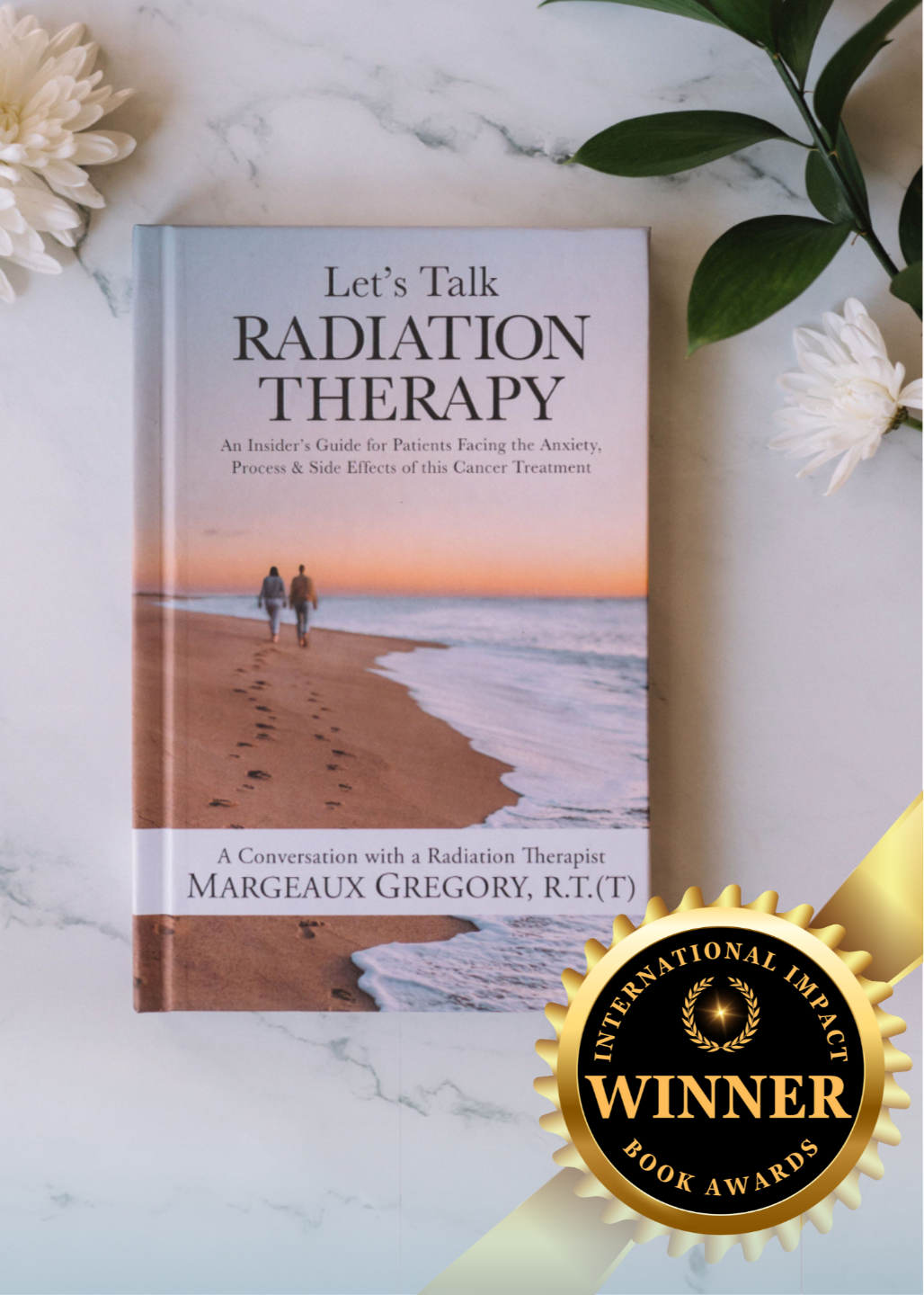
The variety of options available today is a sign of progress and possibility. You are not expected to understand everything at once. As your knowledge grows, so does your ability to participate in decisions with confidence. By learning how these treatments work and how they can complement one another, you give yourself steadier footing to collaborate with your oncology team and choose a plan that supports both your head and your heart. This is exactly why I wrote Let’s Talk Radiation Therapy to help you feel grounded, informed, and supported during this phase, rather than overwhelmed by it.

This Topic can be challenging.
Our conversation doesn’t have to be.
Buy Your Copy of Let’s Talk Radiation Therapy today.